

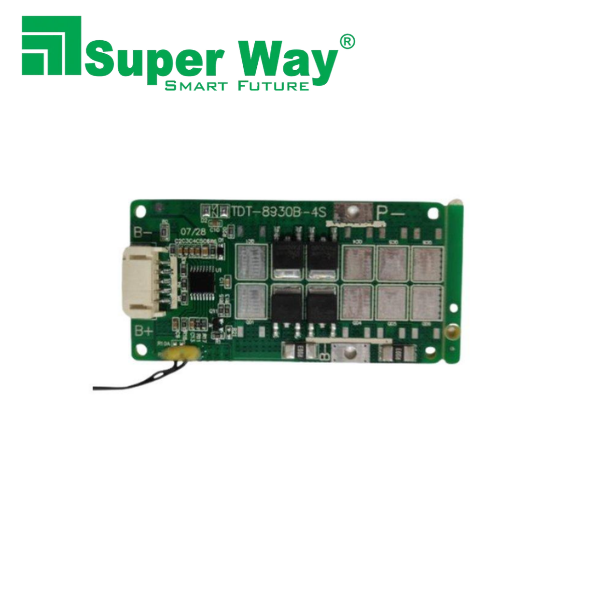
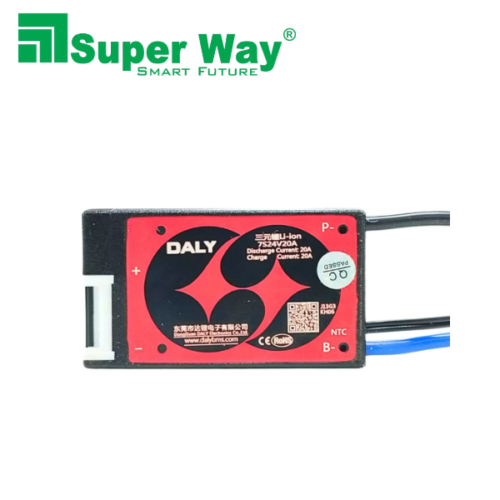
BMS NMC 4S 10A Without Balancing
Original price was: ₹200.00.₹70.00Current price is: ₹70.00.
WHOLESALE PRICE
- Designed for compatible 4S NMC lithium-ion battery pack configurations.
- Features a specified current rating of 10A.
- Specified without balancing functionality.
- Intended for rechargeable battery pack management applications.
- Suitable for compatible four-series-cell battery pack designs.
- Requires verification of voltage limits, wiring, and load compatibility before installation.
Did you like this product? Add to favorites now and follow the product.
Description
The BMS NMC 4S 10A Without Balancing is a battery management system board intended for compatible four-series-cell NMC lithium-ion battery pack applications. A battery management system, commonly known as a BMS, is an electronic component used to manage and monitor aspects of rechargeable battery operation. The 4S designation indicates a configuration containing four cells or cell groups connected in series, while the 10A designation identifies the current rating associated with the product. The W/O BAL designation means that the product is specified without balancing functionality. These details help buyers distinguish this board from other battery management systems with different series configurations, current ratings, or balancing features.
NMC stands for nickel manganese cobalt, a lithium-ion battery chemistry used in various rechargeable battery applications. NMC cells are available in different capacities, dimensions, charging requirements, and discharge capabilities. Selecting a suitable BMS requires checking the battery chemistry, series configuration, and electrical requirements of the intended application. This model is identified for a 4S NMC battery pack, but the product name alone does not confirm compatibility with every NMC cell. The cell manufacturer’s specifications and the board’s technical documentation should be reviewed before purchase and installation.
A battery management system supports the management of a rechargeable battery pack. Depending on its circuit design, a BMS may provide functions such as overcharge protection, over-discharge protection, overcurrent protection, or short-circuit protection. The exact functions and their operating thresholds vary between products. Buyers should confirm the specific protection features of this 4S 10A board using its documentation. The 10A rating and the absence of balancing functionality do not, by themselves, establish which other protection features are included.
An important characteristic of this product is that it is specified without balancing functionality. In a series-connected battery pack, individual cells can develop differences in voltage over time. A balancing circuit is designed to help manage these differences under defined operating conditions. Since this product is listed as W/O BAL, buyers should not assume that it performs cell balancing. The battery design must account for this limitation, and users should follow the cell manufacturer’s recommendations for cell matching, monitoring, charging, and maintenance. A non-balancing BMS should not be treated as a replacement for a balancing system when balancing is required by the battery design.
The 10A current rating is another important factor when choosing this board. The current required by a connected device depends on its electrical load, operating conditions, and any temporary startup demand. Buyers should confirm the board’s documented continuous current capability, permitted peak current if specified, and thermal limitations. The complete battery assembly’s current capability also depends on the cells, wiring, connectors, connection quality, and operating temperature. Operating a BMS beyond its supported limits may cause overheating, unexpected disconnection, or damage to electrical components.
A four-series-cell NMC battery pack requires a charging arrangement compatible with the chemistry and charging limits specified by the cell or pack manufacturer. The correct charging voltage and current should be verified from the battery documentation. A BMS does not replace a suitable charger, correctly matched cells, or safe battery assembly practices. Because this board is specified without balancing, users should pay particular attention to the battery manufacturer’s charging and cell-management requirements. Before connecting the charging system, verify the battery configuration, polarity, and BMS wiring diagram.
Correct installation is essential for battery safety and performance. The cell connections, sensing wires where provided, and main battery, charging, and load terminals must follow the diagram for the exact board. Terminal arrangements can vary between BMS models, even when they have the same series count and current rating. Users should not rely solely on wire colours or copy instructions from a different model. All connections should be checked before the circuit is powered. If the terminal layout or installation procedure is unclear, seek help from a qualified battery technician.
The physical installation of the BMS also matters. The board and its electrical connections should be protected from moisture, conductive debris, accidental short circuits, and mechanical damage. Battery cells should be suitable for the intended configuration and installed without damaging their insulation or terminals. Conductive parts should be insulated where necessary, and the finished assembly should prevent accidental contact between terminals. Damaged or abnormal cells should not be used. Safe battery operation depends on the entire assembly, including cell selection, charging equipment, wiring, insulation, and mechanical protection.
The BMS NMC 4S 10A Without Balancing may be considered for compatible battery applications where a four-series-cell configuration and a 10A current rating meet the design requirements, and a non-balancing board is appropriate. Actual suitability depends on the verified specifications of the board, the battery cells, and the connected equipment. Before ordering, buyers should compare the required series configuration, current demand, protection functions, terminal layout, and physical dimensions with the product documentation. Any requirement for cell balancing should be assessed before choosing this model.
For replacement applications, matching only the series count and current rating may not be sufficient. Different boards may use different terminal arrangements, protection thresholds, dimensions, or charging and discharging connection methods. A board without balancing is not automatically interchangeable with one that includes balancing functionality. Product photographs can assist with identification, but the technical documentation should guide the final selection. Buyers should verify compatibility with the existing battery pack before installation.
Accurate product information helps customers choose suitable battery management components. The product name clearly identifies the 4S configuration, 10A current rating, and absence of balancing functionality. Other characteristics, such as dimensions, connector type, and specific protection thresholds, should be confirmed from the actual product documentation rather than assumed. Reviewing these details before purchase can help reduce compatibility errors and support more informed component selection.
SUPERWAY presents the BMS NMC 4S 10A Without Balancing as an option for customers researching battery management components for compatible NMC lithium-ion battery assemblies. Buyers should review the available specifications and confirm that a non-balancing board meets their battery design requirements. Correct cell selection, suitable charging equipment, verified wiring, and appropriate installation practices remain essential. Checking the current rating and balancing limitation before purchase helps users determine whether this BMS is appropriate for their intended four-series-cell battery application.
Recently Viewed Products
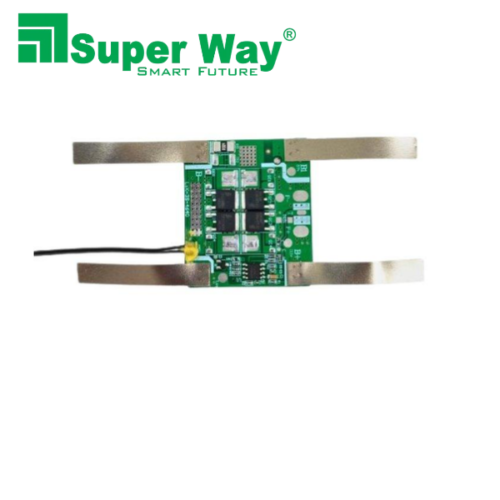
BMS NMC 3S 6A Without Balancing
Original price was: ₹120.00.₹45.00Current price is: ₹45.00.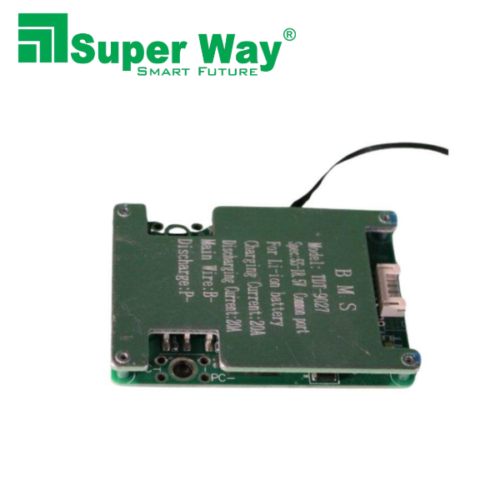

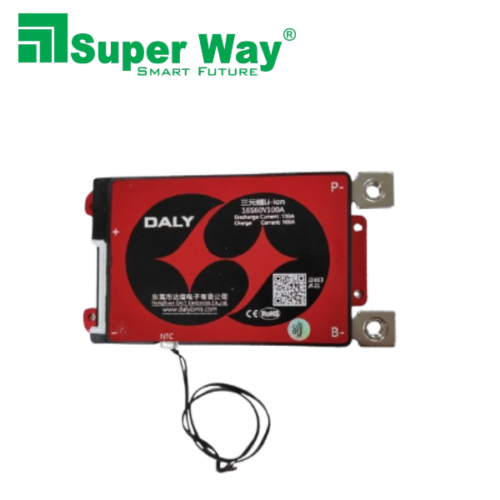

BMS NMC 4S 10A Without Balancing
Original price was: ₹200.00.₹70.00Current price is: ₹70.00.
We are committed to quality, innovation, and powering your needs with trusted energy products.
Copyright 2026 © lithiumbatterys.com

Reviews
There are no reviews yet.