

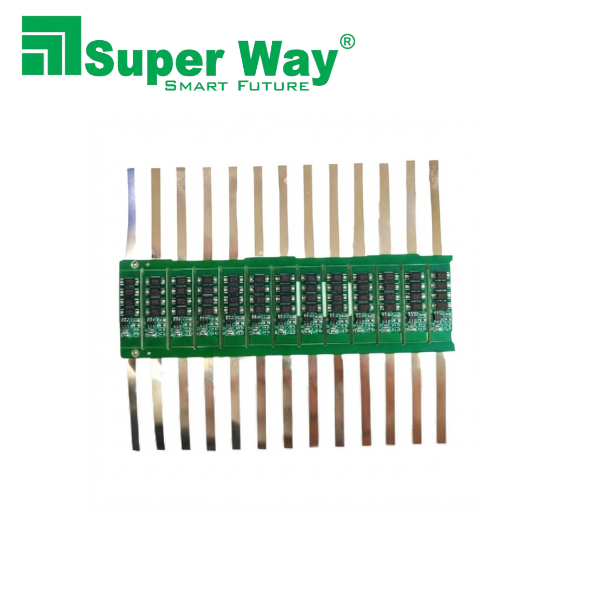
BMS NMC 1S 5A
Original price was: ₹30.00.₹9.00Current price is: ₹9.00.
WHOLESALE PRICE
- Designed for 1S NMC lithium battery configurations.
- Rated current specification: 5A.
- Intended for single-series-cell battery management applications.
- Compact circuit-board format for integration into compatible battery packs.
- Helps manage battery operation according to the protection features built into the circuit.
- Confirm voltage limits, wiring connections, dimensions, and protection functions before installation.
Did you like this product? Add to favorites now and follow the product.
Description
The BMS NMC 1S 5A is a battery management system designed for compatible single-series-cell NMC lithium battery applications. It is intended to support the management of a battery configuration consisting of one series cell group, with a stated current rating of 5A. Battery management systems are important electronic components in lithium battery assemblies because they help manage electrical conditions during normal operation. Selecting a suitable board requires attention to the battery chemistry, cell configuration, current requirements, connection arrangement, and the protection functions supported by the particular circuit.
This BMS is identified by three important specifications: NMC, 1S, and 5A. NMC refers to lithium nickel manganese cobalt oxide battery chemistry. The 1S designation indicates a single cell or single series group, while 5A identifies the stated current rating. These details help buyers distinguish this model from boards designed for multi-series battery packs or different current requirements. Before selecting the product, compare these specifications with the requirements of the intended battery assembly.
A battery management system is generally used as an electronic interface between a lithium battery and its connected load or charging circuit. Depending on its circuit design, a BMS may monitor battery voltage and current and provide protective control when supported operating limits are reached. However, the precise functions vary by model. The presence of a BMS does not automatically mean that every possible protection feature is included. Users should verify the manufacturer’s technical information to confirm whether this particular board supports overcharge protection, over-discharge protection, overcurrent protection, short-circuit protection, or other functions.
The 5A rating is an important selection factor. The expected current of the connected device should be checked against the board’s documented rating and operating conditions. Buyers should not assume that the board can continuously handle 5A in every installation, because actual current capability may depend on circuit design, cooling, wiring, connection quality, and surrounding temperature. Where the load has a high starting current or changing current demand, its operating characteristics should also be considered before choosing the BMS.
The single-series-cell configuration is equally important. A 1S battery arrangement differs electrically from 2S, 3S, 4S, and higher-series configurations. A board designed for one series group should not be substituted for a multi-series BMS simply because the current ratings appear similar. Check that the battery’s chemistry, nominal voltage, fully charged voltage, and discharge limits are compatible with the board. The charging equipment must also be suitable for the particular NMC battery configuration.
Correct wiring is essential when integrating a battery management board. Before installation, identify the battery terminals, load connections, and charging connections using the documentation supplied for the exact model. Connection labels and terminal arrangements can differ between boards, so do not rely on the appearance of another product or a generic wiring diagram. Incorrect connections may damage the board, battery, or connected equipment. If the connection layout is unclear, seek assistance from a qualified battery technician before applying power.
When preparing a battery pack, use cells that are suitable for the intended application and follow the cell manufacturer’s requirements. Inspect the battery, wiring, insulation, and circuit board for visible damage before assembly. Prevent loose conductors from touching one another, and make sure exposed electrical connections cannot create an accidental short circuit. The installation should provide appropriate insulation and mechanical support to reduce the risk of movement, wire damage, or unintended contact during use.
Charging compatibility should be checked separately from current rating. A BMS is not necessarily a charger, and a board’s 5A designation should not be interpreted as confirmation that any 5A charger is suitable. Use a charger designed for the specific NMC cell and its required charging voltage and current. Follow the battery manufacturer’s charging instructions and verify the BMS specifications before connecting the charging circuit. Avoid using a battery assembly if its wiring, cell condition, or protection behavior is uncertain.
This model may be considered for compatible low-current battery projects where a single-series-cell NMC arrangement and the documented board capabilities meet the application requirements. Possible applications for single-cell battery systems vary widely, so suitability should be assessed individually rather than assumed from the product name alone. Confirm the dimensions, mounting arrangement, terminal layout, wire requirements, and operating limits before incorporating the board into a finished product. These checks help ensure that the selected component fits the intended assembly and electrical design.
For purchasing and inventory purposes, the name BMS NMC 1S 5A provides a straightforward way to identify the board’s stated battery chemistry, series configuration, and current rating. Keeping these details consistent across product records, storage labels, and assembly documentation can help reduce confusion between similar-looking BMS models. If several boards are being compared, record their verified specifications separately, including supported chemistry, current limits, connection arrangement, dimensions, and confirmed protection features.
At Electropowerway, customers can use the product information to identify the intended specification and compare it with their battery project requirements. SUPERWAY may also be used in the product description as a store listing reference, but the actual technical characteristics should always be confirmed against the specific board being supplied. No unverified feature should be treated as guaranteed merely because it is common in other battery management systems.
Before ordering, verify that the BMS NMC 1S 5A matches the exact battery configuration and intended electrical load. Check the official specification or supplier documentation for the operating voltage range, continuous and peak current limits, protection thresholds, terminal connections, and physical dimensions. These details are particularly important when replacing an existing board, assembling a new battery pack, or integrating the component into electronic equipment.
In summary, the BMS NMC 1S 5A is identified as a battery management board for compatible single-series-cell NMC lithium battery applications, with a stated current rating of 5A. Correct selection depends on matching the board to the battery chemistry, voltage limits, load demand, charger, and wiring arrangement. Careful verification and proper installation help support the safe and appropriate use of the component in a compatible battery system.
Recently Viewed Products
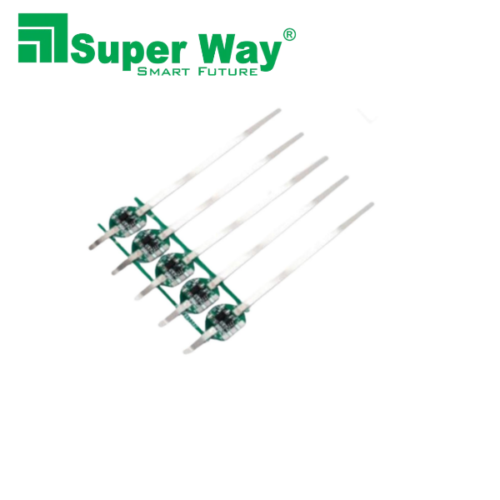

BMS NMC 1S 5A
Original price was: ₹30.00.₹9.00Current price is: ₹9.00.
We are committed to quality, innovation, and powering your needs with trusted energy products.
Copyright 2026 © lithiumbatterys.com

Reviews
There are no reviews yet.